
Keep up to date with our news & events!


Via email: info@cbsproducts.co.uk

Sign Up: Quarterly Newsletter

+44 (0)207 940 4266

CPD presentation in Bristol February 23rd, 2012

Trudy presents our CPD: ‘An Introduction to Workspace Ergonomics' in Bristol. The session will provide useful information on how to set up a workstation in an ergonomically correct manner, for maximum comfort. To register, please contact: RIBA

Medica Trade Fair, World Forum for Medicine

CBS Healthcare launches CBS Hi-1 at Medica this month. Health professionals gather at the Medica exhibition in Germany to be among the first to see the latest developments in the medical world. Read more...

Commercial interiors:

we have been shortlisted for 'Environmental and Social Impact' award at Mixology North

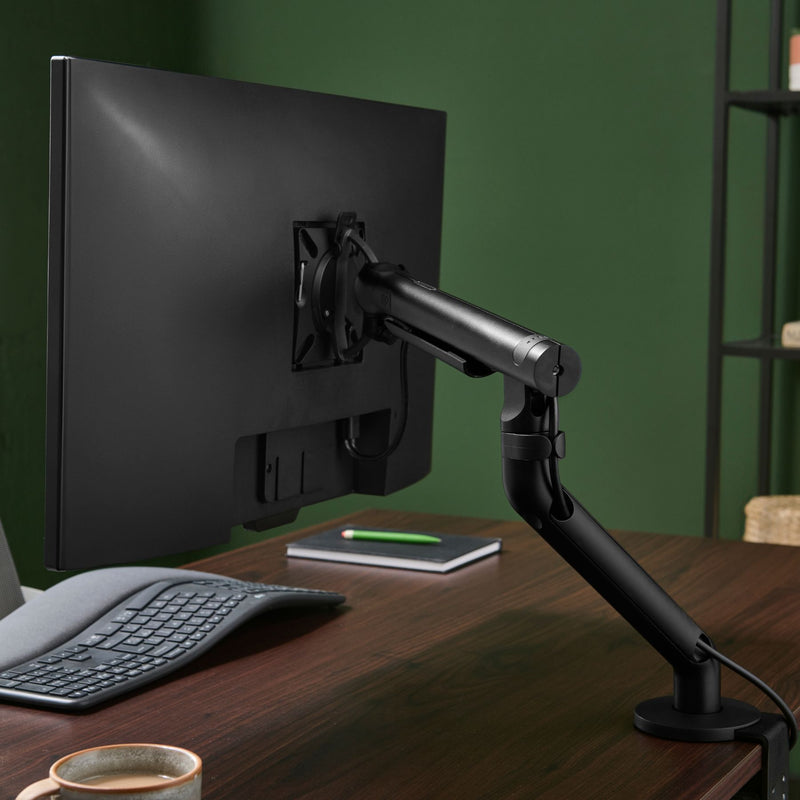
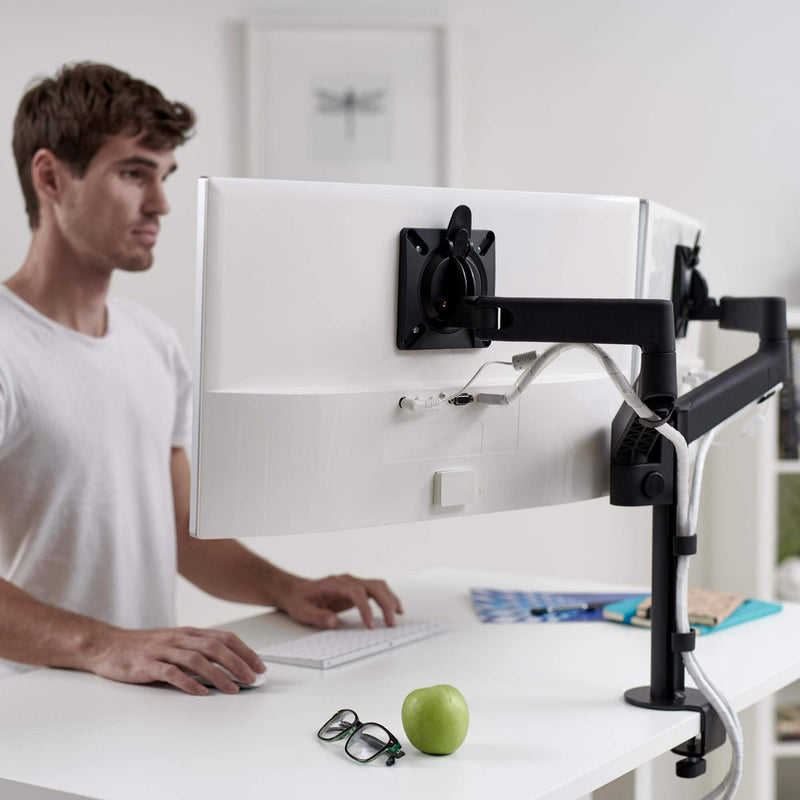
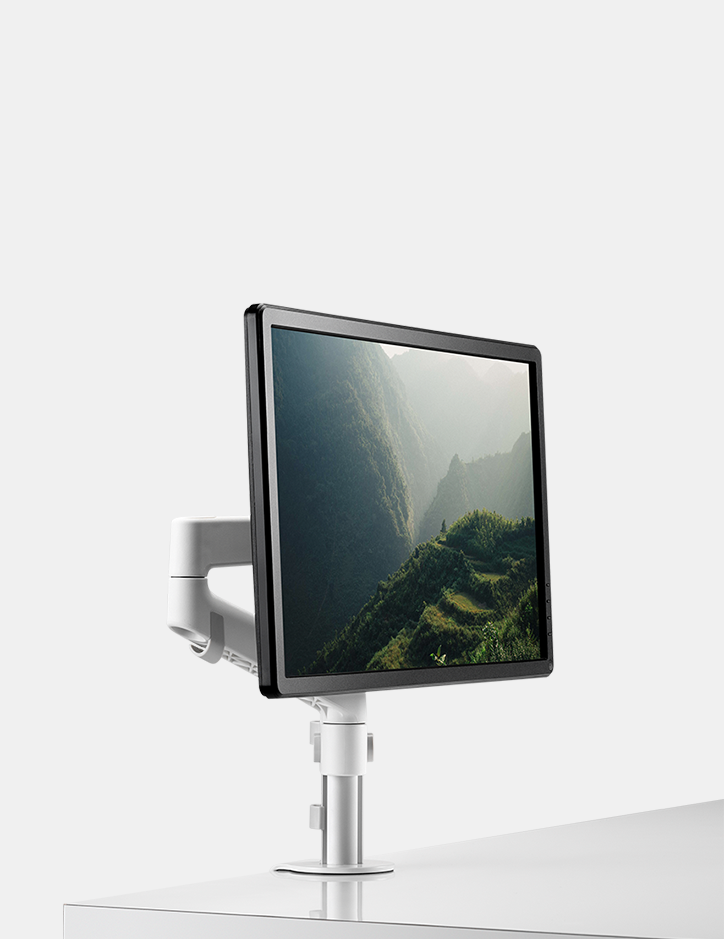
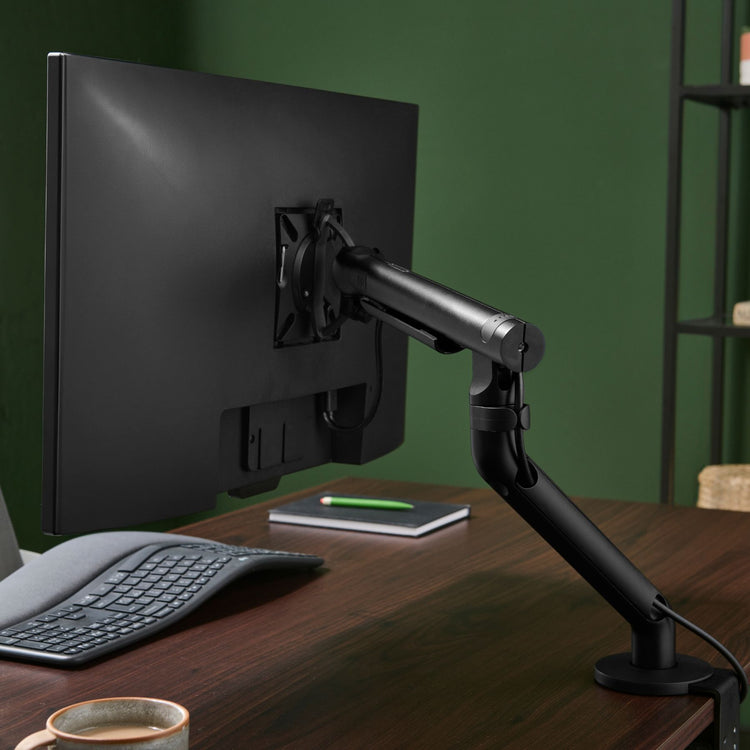
Flo monitor arm receives ecolabel for sustainability

Consumers can rely on the certification mark to identify and specify sustainable products for their homes, businesses and buildings. Read more...
To see other news click here

The Secret Life of Buildings: New York Public Library and Guggenheim Museum

New York City, full of amazing architecture and interiors; from the Flat Iron building to the Chrysler, there is no shortage of inspiration for creative types. The New York Public Library and Solomon R. Guggenheim Museum are no exception... The New York Public Library officially opened to the public in 1911, and 100 years on is still the architectural delight it once was. The library’s epic decor has had scenes in many movies, including the recent ‘The Day After Tomorrow and ‘Sex and the City’. It also hosts many important events and exhibitions.

Architecture firm ‘Carrere and Hastings’ won a competition to design the building in 1897, and it became the pinnacle of the firm’s career. Previous buildings had elaborate details and over-scaled ornamentation, but they had begun to draw from French Baroque styles and the American Georgian period by the time work began on it. The New York Public Library’s interior was the largest marble structure at the time and is said to be of the most important Beaux Arts (classical, decorative style from the Ecole des Beaux-Arts in Paris) structures in mid-town New York. The plan was for a huge reading room, lined with books, atop seven floors of book-stacks and a system designed to get books to users as fast as possible.

The facade is marked by two large lion sculptures guarding the stairway entrance, and, setting foot into the library building, the large vaulted ceiling and elaborate light fixings are revealed. The marble walls hold great staircases, one of which gives way to a large landing with a mural on the ceiling. The main reading room is of epic proportions, spanning almost two city blocks. It is filled with dark wooden desks, task lights and grand chandeliers above. The interior, with the vast collection of research materials, is an oasis of calm for users and spectators. Along with the large collection of reference materials, the exhibitions are of interest, holding various items such as Virginia Woolf’s walking stick, Ernest Hemingway’s pipe and a treasure trove of other items collected over the years.

The facade is marked by two large lion sculptures guarding the stairway entrance, and, setting foot into the library building, the large vaulted ceiling and elaborate light fixings are revealed. The marble walls hold great staircases, one of which gives way to a large landing with a mural on the ceiling. The main reading room is of epic proportions, spanning almost two city blocks. It is filled with dark wooden desks, task lights and grand chandeliers above. The interior, with the vast collection of research materials, is an oasis of calm for users and spectators. Along with the large collection of reference materials, the exhibitions are of interest, holding various items such as Virginia Woolf’s walking stick, Ernest Hemingway’s pipe and a treasure trove of other items collected over the years.

In contrast to NYPL is the modernist building sitting along Fifth avenue across from Central Park: the ‘Solomon R. Guggenheim Museum‘. Opening in 1959, Solomon Guggenheim commissioned Frank Lloyd Wright for its design, and the building is said to be one of the 20th century’s greatest works of architecture. According to critic Paul Goldberger, before it there were only two common models for museum design: Beaux-arts Palace (such as the Public Library’s style) and the International Style Pavilion.

The building was to house the museum of non-objective painting, with the curator Hilla Rebay stating: “I want a temple of spirit, a monument”. The result Wright produced was an inverted ziggurat (tiered pyramid) with a spiral ramp leading towards the domed skylight, allowing the artwork to be presented in a unique and engaging way. Wright said of the structure in 1948, “Entering into the spirit of the interior you discover the best possible atmosphere in which to show fine paintings or listen to music. It is this atmosphere that seems to me most lacking in our art galleries, museums, music halls and theaters” Frank Lloyd Wright (The Architectural Forum, 1948). Thought to be a catalyst for a change in the way museums were built, according to Goldberger, (the building of the Guggenheim) made it “socially and culturally acceptable for an architect to design a highly expressive and intensely personal museum and that in this sense almost every museum of our time is a child of the Guggenheim”.

While created at different periods in time, both the Guggenheim and the New York Public Library are influential buildings that continue to inspire, educate and engage their visitors every day.

Sources:

http://www.guggenheim.org/guggenheim-foundation/architecture

http://www.greatbuildings.com/buildings/Guggenheim_Museum.html

http://www.nypl.org/sites/default/files/Facts__Figures_v2_0.pdf

http://www.greatbuildings.com/architects/Carrere_and_Hastings.html

http://www.nypl.org/

http://nyc-architecture.com/MID/MID067.htm